Septic Tank Replacement in Denver, CO
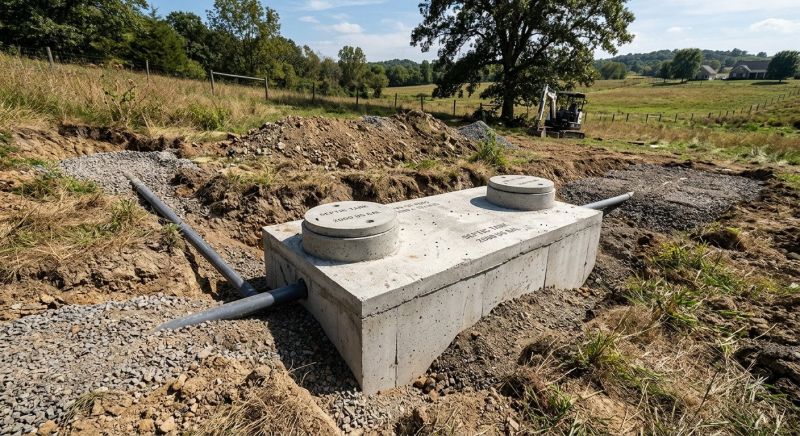
Septic tank replacement services involve removing an existing septic tank and installing a new system to ensure proper waste management for residential properties. This service is typically needed when a septic tank has reached the end of its lifespan, is damaged, or is no longer functioning efficiently. Projects can include replacing outdated or broken tanks, upgrading to larger capacity systems, or installing new septic systems in homes that previously relied on alternative waste disposal methods. Homeowners often want to understand the scope of work involved, the materials used, and the factors that influence the choice of a new septic tank to ensure compliance with local regulations and long-term reliability.
Before requesting septic tank replacement, property owners should consider the size of their household, property layout, and the condition of existing drain fields. It’s also helpful to review local codes and permits required for septic system installations in Denver, CO, and nearby areas. Understanding the typical lifespan of a septic tank and signs of failure-such as persistent odors, slow drains, or sewage backups-can assist in determining when replacement is necessary. Contacting a professional for an assessment can provide clarity on the best options for maintaining a functional and compliant waste management system.
Many property owners in Denver, CO look into Septic Tank Replacement for repairs, replacements, upgrades, and appearance-related improvements.
Septic Tank Replacement Options
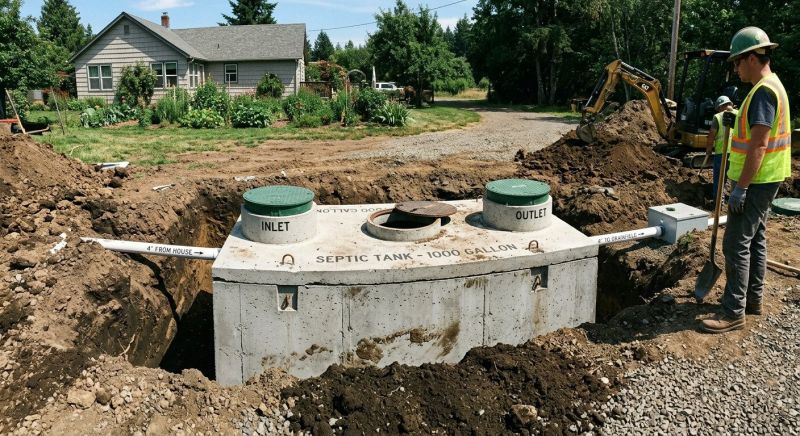
Choosing the right septic tank replacement ensures reliable waste management for homes in denver and surrounding areas.
Signs You Need A New Septic System
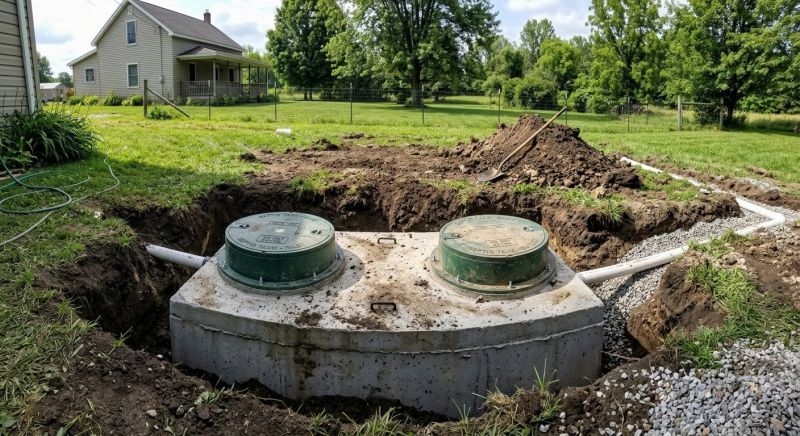
Property owners might consider replacement if experiencing backups, odors, or system failures.
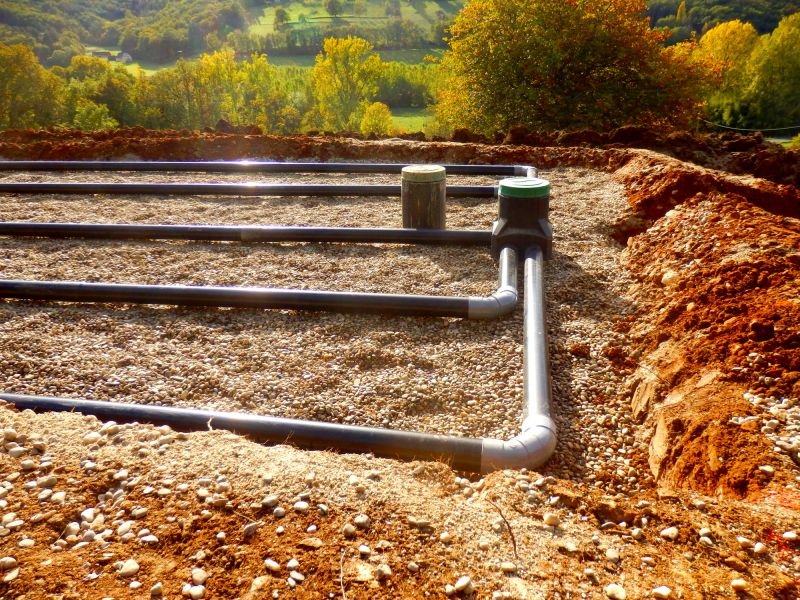
Benefits Of Modern Septic Systems
Upgrading to a new septic tank can improve system efficiency and reduce maintenance needs over time.
Septic Tank Replacement in Denver, CO

Septic tank replacement services involve removing an existing septic tank and installing a new system to ensure proper waste management for residential properties. This service is typically needed when a septic tank has reached the end of its lifespan, is damaged, or is no longer functioning efficiently. Projects can include replacing outdated or broken tanks, upgrading to larger capacity systems, or installing new septic systems in homes that previously relied on alternative waste disposal methods. Homeowners often want to understand the scope of work involved, the materials used, and the factors that influence the choice of a new septic tank to ensure compliance with local regulations and long-term reliability.
Before requesting septic tank replacement, property owners should consider the size of their household, property layout, and the condition of existing drain fields. It’s also helpful to review local codes and permits required for septic system installations in Denver, CO, and nearby areas. Understanding the typical lifespan of a septic tank and signs of failure-such as persistent odors, slow drains, or sewage backups-can assist in determining when replacement is necessary. Contacting a professional for an assessment can provide clarity on the best options for maintaining a functional and compliant waste management system.
Many property owners in Denver, CO look into Septic Tank Replacement for repairs, replacements, upgrades, and appearance-related improvements.
Common Septic Tank Replacement Jobs
Septic Tank Replacement - involves removing an old tank and installing a new system to ensure proper waste management.
Septic Tank Upgrades - replacing outdated tanks with modern, more efficient models for better performance.
Septic System Overhaul - complete replacement of the septic tank and components for improved reliability.
Tank Repair and Replacement - addressing issues with existing tanks through full replacement to prevent leaks and failures.
Septic System Modernization - upgrading to newer tank designs to meet current standards and property needs.
Septic Tank Removal - removing old or damaged tanks to prepare for new installation or property development.
Septic Tank Replacement Questions
When should a septic tank be replaced? Replacement is recommended when the tank shows signs of persistent leaks, frequent backups, or significant structural damage that cannot be repaired.
What are common reasons for septic tank failure? Common causes include aging tanks, improper maintenance, and excessive use that leads to clogging or corrosion.
How can property owners prepare for septic tank replacement? Ensuring clear access to the site and removing any obstructions can facilitate a smoother replacement process.
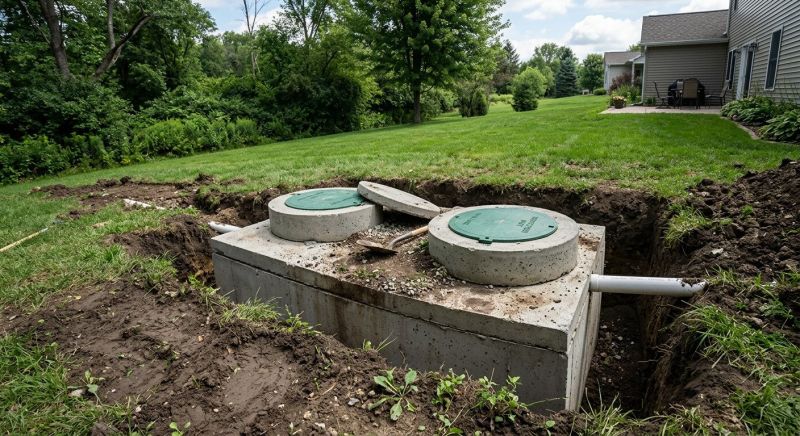
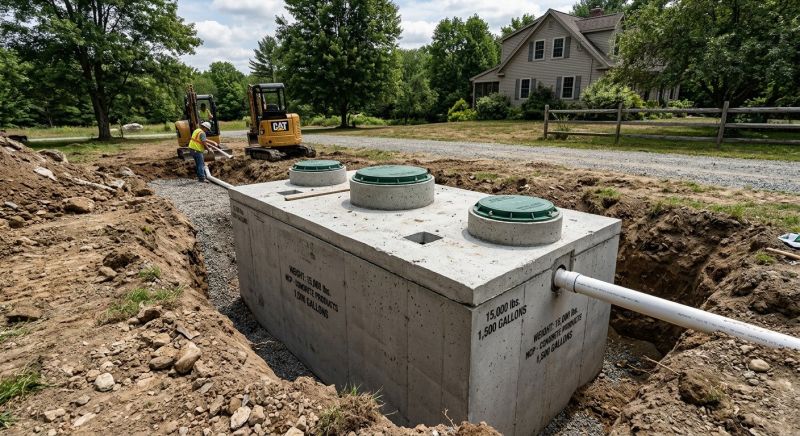
What types of septic tanks are available for replacement? Various options include concrete, plastic, or fiberglass tanks, chosen based on property needs and site conditions.
Request Septic Tank Replacement in Denver, CO
Use the quote form on this page to share the basics of your project and request more information for the type of work you need.